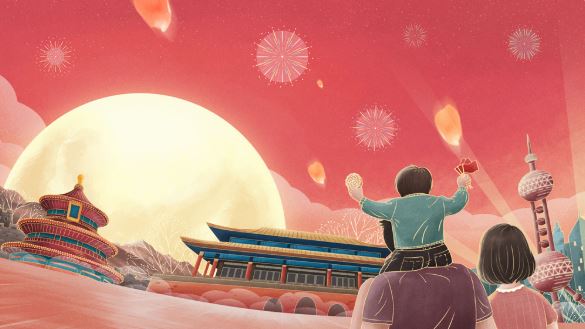
Mid-Autumn Festival meets National Day
The autumn is getting stronger, and at the mid-autumn reunion, the heart and home seem to be "connected" instinctively. Every festive season, since ancient times, traditional Chinese festivals, in addition to the warm feelings of home, are the feelings of care for home by travellers. This year, Mid-Autumn Festival meets the National Day. The Mid-Autumn Festival is the reunion of the family. The National Day is the reunion of the motherland. The Mid-Autumn Festival is the reunion of the family and the country.
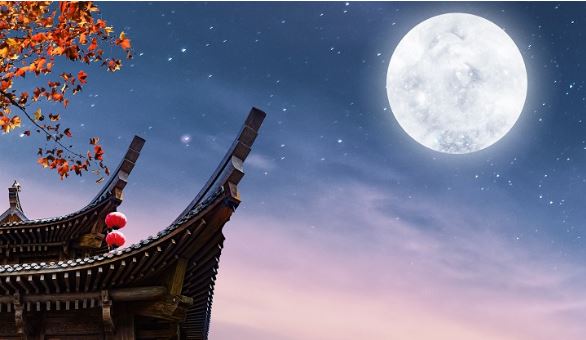
August 15 of the lunar calendar is my country’s traditional Mid-Autumn Festival, and it is also my country’s second largest traditional festival after the Spring Festival. This year’s Mid-Autumn Festival meets the National Day and the holiday even exceeds the usual Spring Festival holiday. It can be said to be the longest and longest in the second half of this year. An important holiday.
So, how much do you know about Mid-Autumn Festival and National Day?
The origin and legend of the Mid-Autumn Festival:
The Mid-Autumn Festival is also known as the Moon Festival, Autumn Festival, Mid-autumn Festival, August Festival, August Meeting, Moon Chasing Festival, Moon Festival, Moon Worship Festival, Girl's Day or Reunion Festival. Of course, there are also places where the Mid-Autumn Festival is set on August 16. Do you know where it is?
Speaking of the Mid-Autumn Festival, the most famous story is the story of Chang'e flying to the moon. The most well-known version is that Hou Yi, a hero who shoots the sun, married Chang'e. One day, Hou Yi asked for a pack of immortality from the hand of the queen mother. As long as he took the immortality, he would be immortal. When Pang Meng knew about it, he wanted to steal the elixir. When Chang'e knew about it, he swallowed all the elixir, then became a fairy and flew to the moon palace. After people learned that Chang'e went to the moon to become an immortal, they set up an incense table at the bottom of the moon to pray to Chang'e for blessings and safety, and finally gradually formed the custom of worshiping the moon, and this day was the Mid-Autumn Festival.
The Mid-Autumn Festival began in the early years of the Tang Dynasty and prevailed in the Song Dynasty. By the Ming and Qing Dynasties, it has become one of the major festivals in China as famous as the Spring Festival. In some countries in East Asia and Southeast Asia, Mid-Autumn Festival is also a local traditional festival due to the influence of Chinese culture. In 2008, the Mid-Autumn Festival was listed as a national legal holiday. On May 20, 2006, the State Council included the first batch of "National Intangible Cultural Heritage List".
"Look up at the bright moon, bow your head and think about hometown." The Mid-Autumn Festival uses the full moon to signify the reunion of people. It is a precious cultural heritage for yearning for the hometown, the love of loved ones, and wishing for a harvest and happiness.
Customs of the Mid-Autumn Festival:
The customs of the Mid-Autumn Festival mainly include sending the moon, admiring the moon, worshiping the moon, eating moon cakes, admiring osmanthus flowers, drinking osmanthus wine, and other customs.
1. Traditional activities: sending the moon, admiring the moon, worshiping the moon
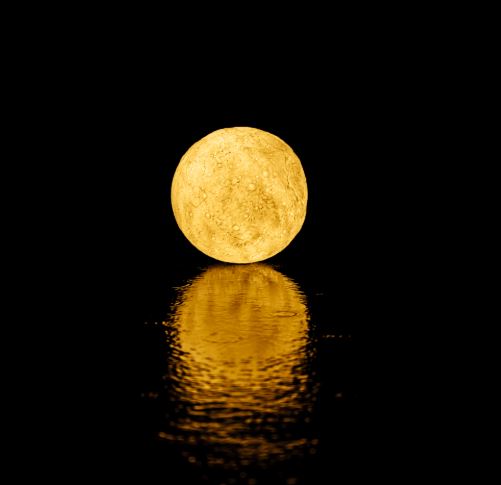
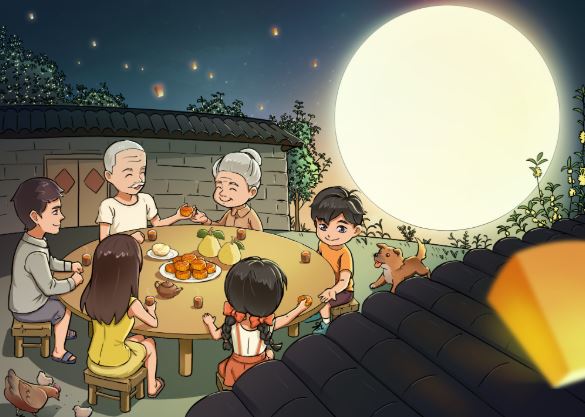
"The Book of Rites" has long recorded "Autumn Evening and Evening Moon", which means worshipping the moon god, and at this time, there is a ceremony to welcome the cold and the moon and set up incense. In the Zhou Dynasty, every Mid-Autumn Festival night was held to welcome the cold and send the moon. Under the moon, the whole family worships the moon once and then cuts the moon cakes to enjoy together. Among ethnic minorities, the custom of Jiyue is also popular.
According to legend, the ugly girl of Qi State had no salt in the ancient times. When she was a child, she worshipped the moon religiously. On August 15th of a certain year, the emperor saw her in the moonlight and felt that she was beautiful and outstanding. He later made her a queen, and the Mid-Autumn Festival came from this. In the middle of the moon, Chang'e is known for her beauty, so the girl worships the moon and wishes "looks like Chang'e, and her face is like a bright moon."
2. Guessing
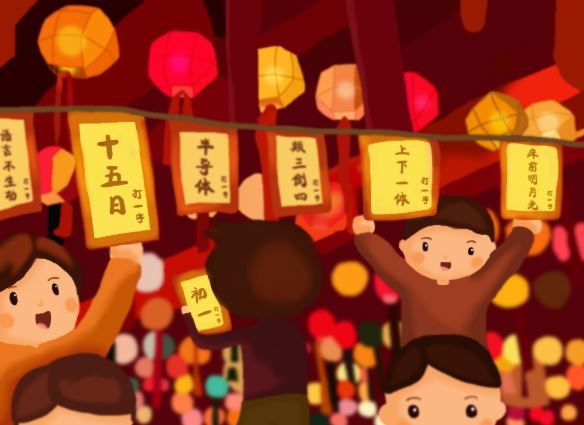
Many lanterns are hung in public places on the Mid-Autumn Festival Moon Night. People gather to guess the riddles written on the lanterns, because it is a favorite activity of most young men and women, and love stories are also spread at these activities, so Mid-Autumn Festival guessing lantern riddles A form of love between men and women was also derived.
3. Eat moon cakes, enjoy sweet-scented osmanthus, drink sweet-scented osmanthus wine
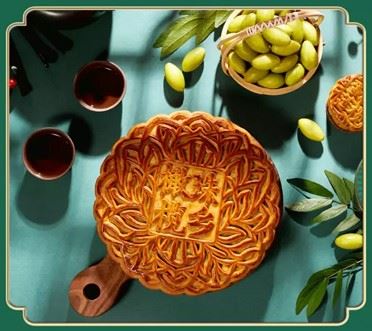
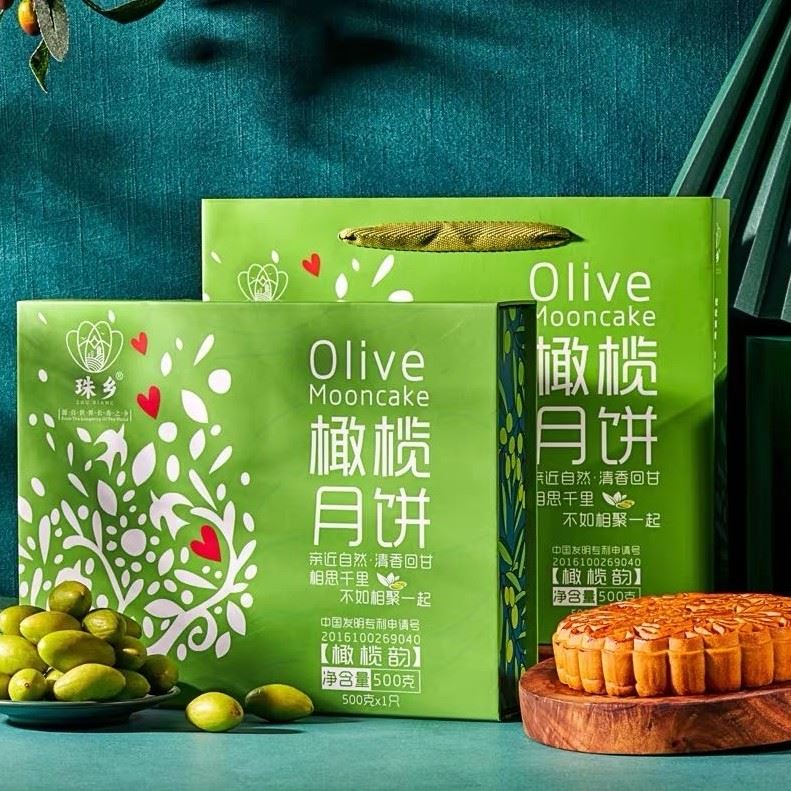
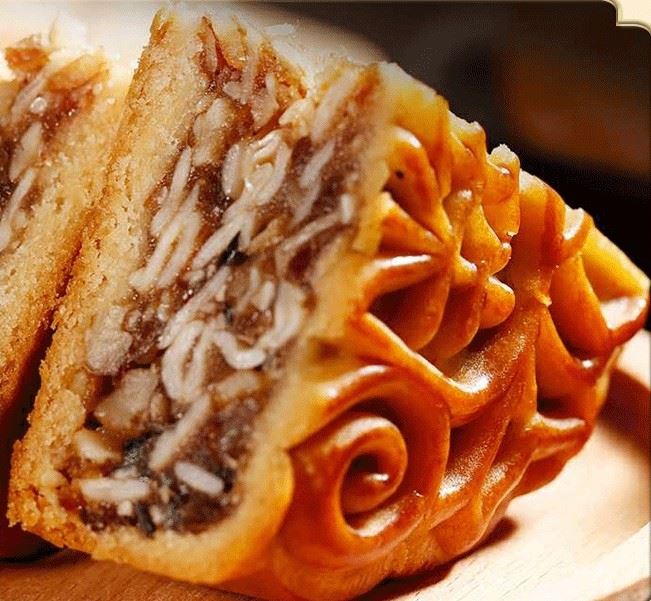
"August and fifteen months are full, Mid-Autumn Mooncakes are fragrant and sweet." The term moon cake originated from the Southern Song Dynasty Wu Zimu's "Meng Liang Lu", which was just an ordinary snack at that time. Later, people connected moon watching with moon cakes, which meant family reunion, and eating moon cakes became an indispensable flavor for the Mid-Autumn Festival.
The Mid-Autumn Festival is also the time when the osmanthus is in full bloom. In addition to viewing the moon, it is viewing the flowers. In addition to eating moon cakes, you will also eat various foods made of osmanthus, among which cakes and osmanthus wine are the most common.
National Day:
China's National Day refers specifically to October 1, the anniversary of the official founding of the People's Republic of China. On December 3, 1949, the fourth meeting of the Central People’s Government Committee accepted the recommendations of the National Committee of the Chinese People’s Political Consultative Conference and passed the “Resolution on the National Day of the People’s Republic of China”, deciding that October 1 is the great day proclaimed for the establishment of the People’s Republic of China. It is the National Day of the People's Republic of China.
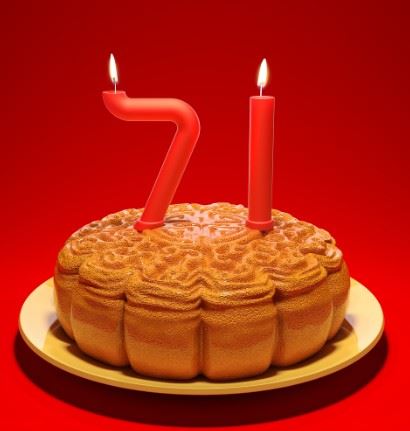
National Day is a statutory holiday established by a country to commemorate the country itself.
They are usually the independence of the country, the signing of the constitution, the birth of the head of state, or other significant anniversaries; some are the saint’s day of the country’s patron saint.
The Mid-Autumn Festival and National Day meet, and the feelings of family and country are expressed together. The same moon, the same home, Mid-Autumn Festival, the whole country will appreciate the same moon.